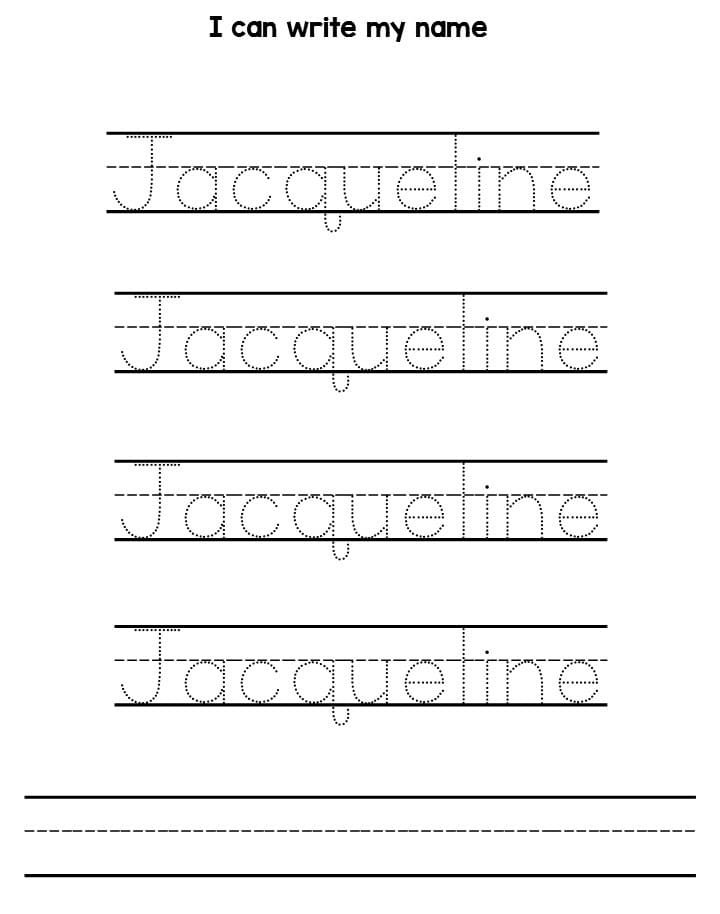
For many parents, the journey of home learning begins with a simple, profound goal: to equip their children with foundational skills that build confidence and curiosity. Among the myriad early learning activities, integrating name tracing into home learning stands out as an incredibly effective, yet often underestimated, method to jumpstart a child's cognitive, motor, and literacy development. Far from being just a repetitive exercise, name tracing acts as a powerful gateway to understanding the world of written language, all while reinforcing a child's unique identity.
At a Glance: Why Name Tracing is a Game Changer
- Boosts Brainpower: Sharpens memory, letter recognition, and the vital connection between letters and sounds (phonemic awareness), laying groundwork for reading.
- Refines Motor Skills: Develops hand control, pencil grip, and hand-eye coordination essential for writing, drawing, and everyday tasks.
- Fosters Literacy & Identity: Introduces core literacy concepts while strengthening a child's sense of self and boosting self-esteem.
- Offers Practical Relevance: Provides tangible reasons to write, like labeling possessions or signing cards, making learning immediately applicable and engaging.
- Flexible & Fun: Easily adaptable to various learning styles with printables, digital apps, and playful, sensory activities.
- Addresses Challenges: Solutions for common hurdles like short attention spans or fine motor difficulties are built into a supportive approach.
Why Your Child's Name is Their First Big Word
Imagine your child's name not just as a label, but as their very first story. Learning to trace and write it isn't just about penmanship; it's about unlocking a world of understanding, self-expression, and cognitive growth. This seemingly simple activity, especially when approached within a playful "Totschooling" framework, touches upon multiple pillars of early childhood development.
Building Blocks for the Brain: Cognitive Power-Ups
When a child traces their name, their brain is doing far more than just mapping lines. They are actively engaging in complex cognitive processes. The repetitive act of tracing helps cement letter recognition, making the abstract shapes of "A" or "B" familiar and distinct. This visual memory is crucial for future reading, as children begin to recognize words at a glance.
Beyond visual recognition, name tracing inherently fosters phonemic awareness—the critical ability to hear, identify, and manipulate individual sounds in spoken words. As they trace each letter, hearing its sound (and perhaps even saying it aloud), they begin to forge the powerful letter-sound connection that is the bedrock of reading fluency. This early exposure ignites a natural curiosity for words, encouraging them to explore other letters and their sounds, leading directly into early reading.
Tiny Hands, Mighty Skills: Fine Motor Mastery
Before a child can write a masterpiece, they must first master the delicate dance of their fingers and hand. Name tracing is a superb workout for developing fine motor skills. It strengthens the small muscles in the hand and fingers, improving their dexterity and control. This practice directly enhances their pencil grip, teaching them the right pressure to apply and the fluidity needed to form letters.
The precise movement required to follow dotted lines also hones hand-eye coordination, a skill vital not just for writing and drawing, but for a myriad of daily tasks like buttoning shirts, tying shoelaces, or stacking blocks. Each successful trace builds muscle memory and refines the precise movements necessary for independent writing, making the transition to freehand much smoother.
More Than Just Letters: Literacy & Identity Foundations
A child's name is arguably the most important word they will ever learn to write. It represents them, their uniqueness, and their place in the world. Being able to independently write their own name provides a profound boost to their self-esteem and confidence. It's a tangible achievement that demonstrates mastery and personal agency.
This personal connection makes name tracing an exceptional vehicle for establishing early literacy concepts. Children learn that letters combine to form words, and that these words carry meaning. They begin to grasp concepts like left-to-right progression, letter spacing, and the overall structure of written language. This foundation makes understanding more complex words and sentences significantly easier down the line, fostering a lifelong appreciation for reading and writing.
Real-World Ready: Practical Pathways to Learning
One of the most powerful aspects of name tracing is its immediate practical application. Children aren't just tracing abstract symbols; they're learning to write their own name—a skill they can immediately put to use. This real-world relevance makes the learning process incredibly engaging and helps maintain focus.
Encouraging children to label their artwork, sign cards for family and friends, or even "sign in" for playtime activities provides a relatable context for early writing practice. These simple acts transform tracing from a lesson into a tool for self-expression and interaction, naturally integrating writing into their daily lives and cementing its value.
Your Toolkit for Tracing Success: Resources at Your Fingertips
To successfully integrate name tracing into your home learning routine, you don't need fancy equipment, just a few smart resources. The beauty of this activity lies in its versatility, allowing you to choose tools that best suit your child's age, learning style, and your family's dynamic.
The Tried-and-True: Printable Worksheets
For generations, printable worksheets have been the cornerstone of early writing practice, and for good reason. They are incredibly accessible, often free or inexpensive, and require only a printer and a writing utensil. Their tangible nature allows children to physically interact with the letters, providing a tactile experience that digital screens can't replicate.
Modern printable worksheets go beyond simple dotted lines. Many are customizable, allowing you to insert your child's specific name, choose from various fonts (dotted, bubble, cursive), and even specify the number of repetitions per sheet. Some also include optional writing formation guides, showing children the correct stroke order, which is crucial for developing efficient and legible handwriting habits. You can easily generate custom name tracing sheets online tailored precisely to your child's needs, making them an invaluable, evergreen resource for home learning.
The Digital Edge: Apps and Interactive Tools
In today's tech-savvy world, digital apps and online generators offer an exciting, interactive dimension to name tracing. These tools transform learning into a game, often featuring colorful animations, engaging sound effects, and instant feedback. Many apps guide children with visual cues, showing exactly where to start and the direction of each stroke.
The gamification aspect keeps children motivated, turning a potentially repetitive task into an enjoyable challenge. Apps like LetterSchool and ABCmouse are prime examples, offering high customizability for names, designs, colors, and formats on touchscreen devices. This digital approach is particularly appealing to children who are naturally drawn to screens, allowing them to practice in a medium they find inherently engaging.
The Best of Both Worlds: A Hybrid Approach
While both traditional worksheets and digital apps offer distinct advantages, the most effective strategy often lies in combining them. A hybrid approach provides varied learning experiences that cater to different aspects of development. Worksheets offer a crucial tactile connection and allow for creativity with various writing tools (crayons, markers, pencils). Digital apps, on the other hand, provide immediate feedback, dynamic engagement, and often a level of customization and interactivity that keeps children coming back for more.
By alternating between physical tracing and digital games, you keep the learning fresh, prevent monotony, and ensure your child benefits from the strengths of both mediums. For example, use printables for focused practice and then transition to an app for a fun, reinforcing activity.
Turning Tracing into Play: Engaging Strategies That Work
The secret to successful home learning isn't more hours, but more engagement. When it comes to name tracing, transforming the activity into play is key. By making it fun, you foster a positive association with learning and lay the groundwork for a lifelong love of literacy.
Customization is Key: Tailoring Tracing Sheets
One of the easiest ways to boost engagement is to make the tracing sheets personally relevant. When using a generator, always insert your child's name, as this immediately personalizes the activity. For beginners, start with fewer repetitions and larger letters. Big, bold letters are less intimidating and easier for developing fine motor skills to manage. As their confidence and control grow, you can gradually increase the number of repetitions and decrease the letter size, providing a natural progression that matches their evolving abilities. This tailored approach ensures the challenge is always just right, never overwhelming.
Font Fun: Choosing the Right Style
The font you choose can significantly impact the tracing experience.
- Dotted letters: These are a classic for a reason, popular for preschool and kindergarteners. They provide clear guidance and allow children to connect the dots, building confidence with each successful stroke.
- Bubble letters: Great for absolute beginners or for creative projects. They offer a larger area to fill in, which can be less frustrating for children still developing precise control. They also lend themselves beautifully to coloring and decorating.
- Cursive fonts: For older children who are ready to tackle a new challenge, cursive tracing sheets can introduce them to this flowing script, an important skill that is making a comeback in many curricula.
Varying fonts keeps the activity interesting and can introduce different aspects of letter formation.
Sensory Adventures: Learning Through Touch
Learning isn't just about sight; it's about engaging all the senses. Sensory tracing activities are incredibly effective for young children, as they provide a rich, multi-sensory experience that reinforces learning through touch, sight, and even smell.
- Sand or Flour Tracing: Spread a thin layer of sand, salt, or flour on a tray and have your child trace their name with their finger. The texture and resistance make for a unique sensory input.
- Finger Painting: Dip fingers in washable paint and trace names on large paper. This is messy but incredibly fun and excellent for developing hand control.
- Name Collages: Use glue and various craft supplies (yarn, glitter, buttons, fabric scraps) to "trace" the letters of their name, creating a tactile and visually appealing piece of art.
- Chalk Fun: Take the learning outdoors! Use chalk to trace names on a sidewalk or driveway, allowing for large, sweeping movements that develop gross motor skills alongside fine motor control.
Unleash Creativity: Making Art Out of Names
Integrate art and craft into name tracing to make it even more appealing.
- Coloring Pages: Use bubble letters as coloring pages. Children can fill in the letters with their favorite colors, decorate them with patterns, or even draw small pictures inside.
- Sticker Decorating: Provide a sheet of name tracing letters and a variety of small stickers. Children can trace their name by placing stickers along the lines or decorating the letters after tracing.
- Name Puzzles: Write your child's name in large, bold letters on a piece of cardboard, then cut it into puzzle pieces (one letter per piece, or breaking up a letter for a greater challenge). Your child can then trace the individual letters and reassemble their name.
- Edible Art: Bake or buy plain cookies and let your child decorate them in the shape of their name's letters with icing and sprinkles. Learning has never been so delicious!
Seasonal & Thematic Fun: Tracing Through the Calendar
Connect name tracing to holidays or seasons to make it timely and exciting.
- Heart Cards: For Valentine's Day, have them trace their name on heart-shaped cards for family members.
- Ornaments: During the holidays, trace names on pre-cut ornament shapes, then decorate and hang them.
- Place Cards: For special family meals, have children trace their name on place cards for guests, giving them a sense of responsibility and pride.
- Costumes: For Halloween, incorporate their name (or parts of it) into a costume design.
Game On! Educational Play with Names
Turn tracing into a game to amplify engagement.
- Letter Count Bingo: Create Bingo cards with individual letters of your child's name. Call out a letter, and if they have it, they trace it on a worksheet and mark it on their Bingo card.
- Name Word Search: Design a simple word search puzzle where your child needs to find and circle the letters of their name.
- Tracing Shapes around Letters: Draw simple shapes (circles, squares, triangles) around the letters of their name, then have them trace both the letter and the surrounding shape.
- Name Mapping: Create a large map or outline of their name. Have them trace one letter at a time and then "travel" to the next by drawing a road or path.
- Dedicated Name Tracing Apps: Leverage the gamified nature of apps mentioned earlier, setting small goals and celebrating digital achievements.
Real Life, Real Learning: Practical Applications at Home
The most impactful learning happens when it's integrated into daily life.
- Labeling Personal Items: Encourage your child to "sign" their artwork, label their toys, or put their name on their cubby at home. This gives purpose to their writing.
- Signing Cards: Have them sign their name on birthday cards, thank-you notes, or holiday greetings for family and friends. This fosters a sense of contribution and thoughtfulness.
- Daily Journal Entries: For slightly older children, starting a simple "daily journal" where they write their name at the top, perhaps followed by a simple drawing, establishes a routine of writing.
Keeping Them Engaged: Pro Tips for Positive Learning
- Allow the Child to Lead: Offer choices (e.g., "Do you want to use crayons or markers today?" or "Which name do you want to trace first?"). This gives them ownership and control.
- Avoid Forcing: If they're resistant, take a break. Forcing an activity can create negative associations with learning. Try again later with a different approach.
- Keep Sessions Short: Young children have short attention spans. Five to ten minutes of focused tracing is far more effective than a forced 30-minute session.
- Use Adaptive Tools: If fine motor skills are still developing, use thicker crayons, chunky pencils, or triangular grips. These are easier for little hands to hold and control.
- Provide Positive Reinforcement: Focus on effort and progress, not just perfection. "I love how carefully you traced that 'A'!" or "Look how much smoother your lines are getting!" builds confidence.
Beyond Their Own Name: Expanding Horizons
Once your child is confident with their own name, expand the tracing world.
- Favorite Characters: Trace the names of their favorite TV characters, book heroes, or cartoon friends.
- Friends' Names: Trace the names of their real-life friends, which can also be a social skill builder.
- Spelling Words: For older preschoolers or kindergarteners, introduce simple sight words or spelling words. You can make it fun by alternating colors for each letter.
- Second Language Vocabulary: If your family speaks another language, trace basic vocabulary words in that language, combining language acquisition with writing practice.
Navigating the Bumps: Common Challenges and Smart Solutions
Even the most engaging activities can present challenges. Recognizing these hurdles and having a toolkit of solutions will help you keep the learning journey smooth and positive.
When Little Hands Struggle: Fine Motor Hurdles
Challenge: Your child might struggle with holding the pencil correctly, applying the right pressure, or making controlled movements. This can lead to frustration and avoidance.
Solution:
- Adaptive Tools: Provide thicker crayons, triangular grip pencils, or pencil grips that guide fingers into the correct position. These reduce strain and make control easier.
- Pre-Tracing Activities: Engage in activities that build hand strength and dexterity before tracing. Think playdough manipulation, using clothespins, tearing paper, or stringing beads.
- Sensory Play: Activities like tracing in sand or finger painting allow for larger, less precise movements that still build muscle memory without the pressure of a pencil.
- Shorter Sessions: Keep tracing sessions very brief, ending before frustration sets in. Focus on quality over quantity.
The "What's That Letter?" Puzzle: Recognition Issues
Challenge: A child might recognize their name as a whole but struggle to identify individual letters or connect them to their sounds.
Solution:
- Multi-Sensory Reinforcement: Pair tracing with verbalizing the letter sound. Use alphabet songs, letter puppets, or tactile letters (e.g., sandpaper letters) to engage multiple senses.
- Visual Aids: Display an alphabet chart at their eye level. Point to the letter they are tracing on the chart.
- Letter Games: Play "I Spy" with letters ("I spy with my little eye, a letter that says /mmm/"), or match letter flashcards to the letters in their name.
- Focus on One Letter: If a specific letter is problematic, focus on tracing and identifying just that letter for a few sessions before moving on.
Wiggly Worms: Short Attention Spans
Challenge: Many young children naturally have short attention spans, making sustained tracing difficult. They might get bored quickly or lose focus.
Solution:
- Gamification: Turn tracing into a game. Set a timer for 2 minutes and challenge them to trace as many letters as they can before the timer rings. Reward effort, not just completion.
- Novelty: Introduce new tracing tools (markers, gel pens, colored pencils) or different types of paper (colored paper, glitter paper) to keep things fresh.
- Breaks & Movement: Intersperse tracing with short bursts of physical activity. Do a quick jumping jack break, then return to tracing.
- Child-Led Choices: Give them choices: "Do you want to trace your name in red or blue today?" or "Do you want to trace your full name or just your first initial?"
The "I Can't!" Moment: Anxiety & Frustration
Challenge: Some children might become anxious or frustrated if they feel their attempts aren't perfect, or if the task feels too difficult.
Solution:
- Positive Reinforcement & Praise Effort: Focus on praising the effort and process, not just the outcome. "You really tried hard to stay on the line!" or "Your hand control is getting so much better."
- Break It Down: If the full name is overwhelming, start with just the first letter, then two letters, gradually building up.
- Celebrate Small Wins: Even a single successfully traced letter is a win. Acknowledge and celebrate these small achievements to build momentum and confidence.
- Model Imperfection: Show them your own "imperfect" drawing or writing. Explain that practice makes us better, but nobody is perfect, not even grown-ups.
Charting Their Course: Monitoring Progress and Celebrating Growth
As with any learning endeavor, understanding your child's progress is crucial. This isn't about rigid testing, but about observing their development and celebrating every step forward.
Setting the Bar: Developmental Benchmarks & Goals
Recognizing developmental milestones helps you set realistic expectations for name tracing. Initially, a child might just be scribbling, then forming shapes, and eventually, recognizing and forming letters.
- Observation: Regularly observe their tracing—are their lines getting smoother? Is their pencil grip improving? Are they showing more independence?
- Checklists: Simple skill charts or checklists can be invaluable. You can note down things like: "Can trace first initial," "Can trace full first name," "Consistent letter formation," "Correct pencil grip," "Traces independently." This provides a tangible record of their growth.
- Realistic Goals: Understand that progress isn't always linear. Some days will be better than others. Set small, achievable goals, like "today we'll focus on the letter 'M'" rather than "today you must perfectly trace your whole name."
The Power of Feedback: Guiding Improvement with Praise
Feedback is a powerful tool, but its delivery is key. Positive reinforcement for achievements is paramount. Be specific in your praise: "I see you remembered to start at the top of the 'T'—that's fantastic!" rather than just "Good job." This helps them understand what they did well and encourages repetition of good habits.
For areas needing improvement, offer constructive criticism gently. Frame it as guidance, not judgment: "I noticed your hand got a little tired here; maybe we can hold the pencil a bit lighter next time?" or "Let's try to keep our strokes within the lines on this letter." Engaging parents in this feedback process, perhaps by sharing their progress charts or having them observe a tracing session, strengthens the home-learning partnership and ensures consistent support.
The Learning Landscape of Tomorrow: Future-Proofing Name Tracing
Educational methods are constantly evolving, and name tracing, while foundational, is no exception. The trend is moving towards more experiential and integrated learning, where activities are not siloed but connected to broader developmental goals.
We'll see name tracing continue to intertwine with technology. Apps will become even more sophisticated, offering personalized learning paths, AI-driven feedback, and augmented reality experiences that bring letters to life. Interactive boards and tablet devices will provide infinite customizability, allowing for on-the-fly adjustments to difficulty, fonts, and designs.
Furthermore, name tracing will increasingly be integrated into broader literacy and social development goals. Imagine collaborative tracing games in online learning environments or projects where children trace names of community helpers or historical figures. The focus will shift even more towards how tracing serves as a springboard for creative writing, storytelling, and digital literacy, ensuring that this foundational skill remains relevant and engaging in an ever-changing world.
Your Next Step: Empowering Your Child's Learning Journey
Integrating name tracing into your home learning routine is more than just teaching your child to write their name; it's about fostering a love for learning, building critical fine motor and cognitive skills, and nurturing their burgeoning sense of self. Start small, keep it fun, and remember that every dot connected, every line traced, is a step towards a confident, capable learner. Empower your child with their first big word, and watch them flourish.