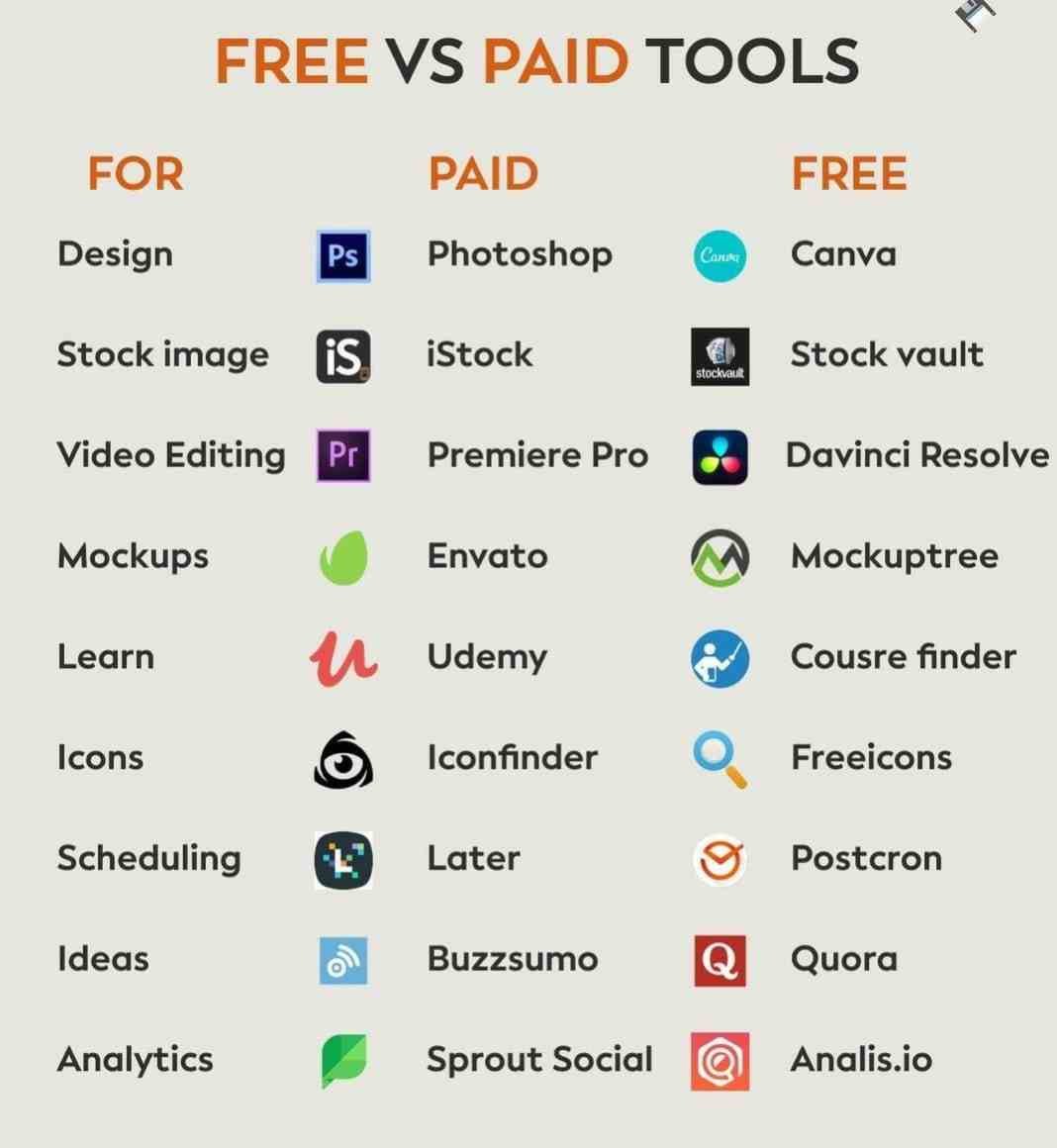
Trying to decide between free and paid tools to help you manage, select, or even locate names? You're not alone. The digital landscape for what falls under "name tracing tools" has grown incredibly diverse, from simple random selectors for classrooms to complex systems for finding missing persons. Understanding the differences in features, costs, and actual utility between free vs. paid name tracing tools is crucial for making the right choice, saving you time, money, and potential headaches.
Whether you're a teacher ensuring fair participation, an event organizer picking raffle winners, a small business owner looking for contact details, or even someone just trying to create name tracing worksheets, the right tool can make all the difference. Let's cut through the noise and figure out what truly serves your needs.
At a Glance: Key Takeaways
- "Name Tracing Tools" is a broad term: It can mean random name selectors, skip tracing (people-finder) services, or even generators for handwriting practice.
- Free tools are incredibly powerful: For most everyday tasks like random selection, they offer all essential features (input, true randomness, history, save/load) at zero cost and often without logins.
- Paid "extras" are rarely essential: Advanced analytics, integrations with specific platforms, and deep customization are often nice-to-haves that can be replicated manually or aren't truly necessary.
- Significant cost savings: Sticking with free options can save individuals and organizations hundreds, even thousands, annually.
- Hidden costs of paid tools: Beyond subscriptions, consider the learning curve, vendor lock-in, and potential privacy implications.
- When to consider paid: Only for enterprise-level needs, compliance, highly specialized integrations, or the comprehensive data required for serious skip tracing.
- Prioritize ease of use and transparency: Simplicity and clear functionality often trump fancy features in user satisfaction and effectiveness.
What Exactly Are "Name Tracing Tools"? Unpacking a Broad Category
Before we pit free against paid, let's clarify what we mean by "name tracing tools." It's a surprisingly broad category, often leading to confusion. Depending on your goal, "name tracing" can refer to:
- Random Name Selector Tools: These are perhaps the most common, especially in educational or event contexts. They take a list of names and randomly select one (or more). Think classroom participation, raffle draws, team assignments, or decision-making. The ground truth shows that "name tracing" in this context often means ensuring everyone has a fair chance to be selected or called upon.
- Skip Tracing / People Finder Tools: For investigative purposes, "name tracing" can mean locating an individual by their name, using public records, online sources, and databases. This is often called "skip tracing," which involves "tracing a skip" (a person who has left or is hard to find) to get their current contact information. This is a very different, often more complex, use case.
- Name Practice / Generator Tools: Less common in the "comparison" context, but relevant due to common search queries and available tools, these might include utilities that generate names for stories, or even tools that help you create name tracing worksheets for educational or developmental purposes.
For the purpose of this comparison, we'll primarily focus on the first category (random name selectors), as much of the detailed comparative data available falls here, but we will also touch on skip tracing where paid options become more prevalent. The principles of "essential vs. premium" and "cost vs. value" apply across all these types of tools.
The Core Dilemma: Free vs. Paid – Where Does the Value Lie?
When considering any software or service, the immediate question is always: "Do I really need to pay for this?" With name tracing tools, the answer, for a vast majority of users, is a resounding "probably not." The free options have evolved significantly, often providing everything essential with surprising robustness.
Let's break down what you typically get on each side of the fence.
Diving Deep: What Free Name Tracing Tools Offer
Don't let the "free" label fool you. Many zero-cost name tracing tools are incredibly feature-rich, reliable, and user-friendly. They've been refined over years, often by passionate developers, to meet the core needs of their users without imposing a financial burden.
Essential Features You Get for $0
For basic name selection, free tools offer a powerful suite of functionalities that are often all you'll ever need:
- Easy Name Input: Whether you need to type names one by one, copy-paste a list from a spreadsheet, or bulk import via a simple text file, free tools make it straightforward. Their interfaces are typically intuitive, requiring minimal setup.
- True Random Selection: This is the bedrock. Free tools utilize robust algorithms to ensure genuinely random outcomes. Many even feature visible animations (like spinning wheels) that make the process transparent and engaging. Studies suggest that "simple random selection is as effective as complex algorithms," meaning you're not missing out on accuracy by going free.
- Clear Results & Display: The selected name is prominently displayed, often with options to copy it, say it aloud, or move on.
- History Tracking: A critical feature for preventing repeats or reviewing past selections. This helps maintain fairness and organization. Many free tools save your history automatically, allowing you to avoid selecting the same student twice in a row, for example.
- Save/Load Functionality: You can create multiple lists (e.g., different classes, different raffle groups) and save them for future use, switching between them seamlessly.
- Customization (Basic): While not always extensive, many free tools offer basic visual customization like colors, fonts, or simple themes to make the experience more pleasant.
- Export Options: Need to share your list or selected names? Many free tools allow you to export data, often to CSV or for printing.
- Mobile Friendliness: Most modern free tools are web-based and responsive, meaning they work well on any device—desktop, tablet, or smartphone—without needing to download a separate app.
- No Login Required: A huge advantage of many free tools is immediate access. No accounts to create, no passwords to remember, no personal data to hand over just to pick a name. This significantly enhances ease of use and privacy.
Why Free Often Wins: Cost Savings & User Preference
The data speaks volumes. The most compelling argument for free name tracing tools is the sheer amount of money they save.
- Zero Financial Outlay: This is obvious, but profound. For individuals or small operations, avoiding even a small monthly fee adds up. For larger organizations, the savings are staggering. Consider an elementary school with 25 teachers: if each paid for a premium tool at an average of $50-200 annually, they'd collectively spend $1,250-$5,000. Sticking to free options means saving thousands each year that could go towards student supplies or other vital resources. A school district with 500 teachers could save $30,000 annually.
- Focus on Core Functionality: Free tools often strip away the bloat, focusing purely on what matters: accurate, transparent name selection. This leads to a cleaner, faster user experience.
- Ease of Use & No Barriers: The absence of logins and complex dashboards means a virtually non-existent learning curve. "Ease of use (especially no login) is preferred" by users because it removes friction and allows them to get straight to their task.
- Transparency Builds Trust: When students or participants see a simple, clear random selection process, they trust it more. "Transparency matters more to students than features." The straightforward nature of many free tools inherently fosters this trust.
- Consistency Trumps Fancy Features: Users value a reliable tool that consistently performs its core function over one packed with rarely used, complex features.
Real-World Impact: Free Tools Deliver Identical Results
Don't assume free means less effective. Real-world uses highlight the power of these tools:
- Increased Classroom Participation: Educators using free random name selectors have reported increases in classroom participation by as much as 40%, ensuring all students are engaged fairly.
- Fair Raffles & Event Selections: Event organizers have used free tools to ensure impartial selections for raffles, prize draws, and team formations, with results identical to those from premium analytics-driven tools. The core output—a randomly selected name—is the same.
The Allure of Paid Name Tracing Tools: Are They Worth It?
Paid name tracing tools certainly exist, and they market themselves with an array of "premium" features. But the critical question is: are these features truly necessary for your specific needs, or are they elaborate solutions looking for a problem?
Premium "Extras" Often Not Needed
Paid tools typically offer features that sound impressive but often don't translate into tangible, indispensable value for most users:
- Advanced Analytics & Statistical Reports: Frequency charts, statistical breakdowns of selections, and detailed reports. While interesting, for simple selection tasks, "can be tracked manually" if truly needed, and often don't change the outcome or fairness of a random pick.
- Deep Integrations with Learning Platforms (or CRMs for business): Direct links with Google Classroom, Canvas, Zoom, Salesforce, etc. While convenient, the reality is that a simple copy-paste function often suffices for transferring names or results. For most users, these direct integrations are overkill.
- Team Collaboration Features: Allowing multiple users to share lists, results, and settings within the same account. For a single teacher, event organizer, or small team, this is often unnecessary.
- Automatic Scheduling: Setting up selections to happen at specific times or intervals. Again, a niche need that most users won't utilize.
- Extensive Customization: Branding options, complex themes, custom sound effects, etc. While visually appealing, they rarely impact the core functionality or fairness of the selection.
When Paid Might Make Sense: Niche Needs & Skip Tracing
There are rare instances where investing in a paid name tracing tool might be justifiable, primarily when dealing with highly specialized or enterprise-level requirements, particularly in the realm of skip tracing.
- Enterprise-Level Needs (Compliance & Data Security): For large organizations, particularly school districts or corporations, specific compliance requirements (like FERPA or GDPR), advanced data security protocols, and robust administrative controls might necessitate a paid, enterprise-grade solution. These tools often come with Service Level Agreements (SLAs) and dedicated support.
- Highly Specialized Integrations: If your workflow absolutely depends on a seamless, real-time integration with a unique, proprietary system that cannot be managed via standard exports/imports, a paid tool offering such a niche integration could be valuable.
- Comprehensive Skip Tracing & People Finding: This is where paid tools truly shine and often become necessary. "Skip tracing is the process of finding people by using public records, online sources, and specialized tools to locate accurate contact information." Free tools in this domain are very basic, often just offering public search engine links. Paid skip tracing services (e.g., for law enforcement, private investigators, debt collectors, or real estate professionals) provide access to:
- Proprietary Databases: Extensive, regularly updated databases of public records (credit reports, driving records, criminal records, property deeds, phone records) that are not freely available.
- Advanced Search Algorithms: Tools that can cross-reference multiple data points to find hard-to-locate individuals.
- Batch Processing: The ability to search for many names at once.
- Enhanced Data Privacy & Security: For sensitive investigative work.
- Detailed Reports: Consolidated reports with potential addresses, phone numbers, email addresses, relatives, and associates.
- "Understanding both free and paid skip tracing tools is crucial for investigative searches," and for serious investigative work, paid is almost always required.
However, for 99% of educators, event organizers, or casual users of random name selectors, these advanced paid features are simply not required.
Hidden Costs & Pitfalls of Paid Tools
Beyond the sticker price, paid tools often come with a set of less obvious drawbacks:
- Learning Curve: More features often mean a more complex interface, requiring time and effort to learn and master.
- Vendor Lock-In: Once you've invested time and data into a paid platform, migrating to another can be difficult and disruptive, making you reliant on that specific vendor.
- Recurring Subscriptions: Most paid tools operate on a subscription model ($50-200 annually, as per the ground truth), which becomes a continuous drain on resources, regardless of how much you use the advanced features.
- Potential Privacy Concerns: Handing over personal data (even just lists of names) to a third-party paid service might introduce privacy risks if their security or data handling policies are not transparent or robust enough. Free tools, especially those requiring no login, often bypass this concern.
Decision Time: How to Choose What's Right For You
Navigating the free vs. paid landscape doesn't have to be complicated. The key is to honestly assess your needs and weigh them against the value proposition.
A Practical Checklist for Your Decision
Ask yourself these questions:
- What's my primary goal?
- Just random selection (classroom, raffle)? -> Likely Free
- Finding current contact info for someone (skip tracing)? -> Likely Paid
- Generating practice materials? -> Specific Generator Tool (often free or freemium)
- How frequently will I use it?
- Occasionally? -> Free is ideal.
- Daily, as a core part of my workflow? -> Consider if free meets all needs, otherwise look at paid.
- Do I need specialized data access (e.g., public records for skip tracing)?
- No. -> Free is fine.
- Yes, comprehensive, updated records. -> Paid skip tracing tool.
- Are direct integrations with specific platforms (CRM, LMS) absolutely non-negotiable?
- No (copy-paste is fine). -> Free is fine.
- Yes, my workflow breaks without it. -> Investigate paid options with confirmed integrations.
- Do I have strict enterprise-level compliance or data security requirements?
- No (individual/small group). -> Free is fine.
- Yes (large organization, sensitive data). -> Paid enterprise solution.
- Am I comfortable with creating an account and recurring subscriptions?
- No (prefer simplicity). -> Free.
- Yes (value the premium features). -> Paid.
- What's my budget?
- $0. -> Focus on maximizing free tools.
- Flexible. -> Evaluate if paid features truly deliver ROI.
Maximizing Free Tools: Getting the Most Out of Zero Cost
If you've determined that free tools are the right fit for your random name selection needs (which, again, is most people!), here's how to ensure you're getting maximum value:
- Organize Your Lists: Create separate "wheels" or lists for different classes, projects, or events. Update them regularly to reflect current participants.
- Utilize All Features: Don't overlook history tracking, saving multiple sets, or basic export options. These can significantly enhance your workflow.
- Integrate Cleverly: Even without direct integrations, free tools can work seamlessly with your existing systems. Export results as CSVs, copy-paste names into your learning platform or spreadsheet, and share screenshots for transparency.
- Share Best Practices: If you're using these tools in an organizational setting (like a school), share your favorite free tools and tips with colleagues. This can lead to widespread adoption and significant budget savings for everyone.
Remember: Free tools offer everything essential for fair, transparent, and efficient name selection, saving budgets and student supplies funds that can be allocated to more pressing needs.
Common Questions About Name Tracing Tools
Q: Are free name tracing tools truly random?
A: Yes, reputable free tools use robust algorithms designed to ensure true randomness, often with visual animations to demonstrate the process transparently. Studies indicate that simple random selection is just as effective as more complex algorithms.
Q: Is my data safe with free name tracing tools?
A: Many free random name selectors (especially web-based ones that require no login) don't store your data on their servers, or only store it locally in your browser. This often makes them more private than paid tools requiring account creation and cloud storage. Always check the tool's privacy policy, if available, but for simple local use, the risk is minimal. For skip tracing, paid tools typically have more explicit security measures, but also handle much more sensitive data.
Q: Can free name tracing tools handle large lists of names?
A: Most modern free random name selectors can handle hundreds, even thousands, of names without issue. Inputting them via bulk copy-paste or simple file upload is usually supported. Performance might slightly decrease with extremely massive lists, but for typical classroom or event sizes, they work perfectly.
Q: When is "skip tracing" considered "name tracing"?
A: "Skip tracing" is a specialized form of "name tracing" where the goal is specifically to locate a person (their address, phone number, etc.) using their name and other identifying information. While "name tracing" can broadly refer to any interaction with names, "skip tracing" is its investigative subset. For serious skip tracing, paid tools are almost always necessary due to their access to proprietary databases.
Q: Do I need a specific app for name tracing, or can I use a website?
A: For most random name selection needs, a web-based tool (which works in your browser) is perfectly sufficient and often preferred as it requires no download or installation and typically offers cross-device compatibility. For specialized skip tracing, dedicated desktop software or robust web platforms with subscription access are common.
Your Next Step in Navigating Names
The world of name tracing tools, while diverse, primarily presents a clear choice for most: start with free. For random name selection—be it for classroom engagement, fair raffles, or simple decision-making—free tools offer an unparalleled combination of essential features, ease of use, transparency, and significant cost savings. The advanced analytics, deep integrations, and enterprise-level compliance offered by paid tools are rarely necessary for these everyday tasks.
If your needs veer into the highly specialized, such as comprehensive skip tracing for investigative purposes, or if you operate within an enterprise environment with stringent compliance requirements, then a paid solution becomes a more viable, often essential, investment.
Before you open your wallet, thoroughly explore the robust, free options available. You'll likely find that what you need is already within reach, saving you money and simplifying your workflow, all while delivering results that are just as effective and trustworthy.