Watching a child’s fingers grasp a crayon, stumble through their first wobbly line, and eventually form recognizable letters is a journey filled with wonder. This progression isn't just about learning to write; it's a critical component of healthy development. Understanding Age-Appropriate Tracing Activities & Milestones helps us guide children through this journey, fostering vital fine motor skills, cognitive growth, and a love for learning.
Tracing, often seen as a simple activity, is actually a powerhouse for a child’s development. It lays the groundwork for writing, drawing, and even playing musical instruments, building the coordination and control essential for countless everyday tasks. But how do we know what’s right for our child, and when should we expect certain skills to emerge? This guide will break down the why, what, and how of tracing, ensuring you’re equipped to support your child every step of the way.
At a Glance: Key Takeaways
- Tracing is foundational: It develops hand-eye coordination, fine motor skills, and prepares children for writing, drawing, and more.
- Milestones matter: Children from 0-5 years reach developmental milestones in how they play, learn, speak, act, and move. Tracking these is crucial.
- Age-appropriate is key: Expectations for tracing skills vary significantly by age (toddlers, preschoolers, school-aged children).
- Don't chase perfection: Focus on the process, effort, and developmental benefits, not just the final outcome.
- Supportive environment: Provide suitable materials, a dedicated space, and engaging activities to make tracing enjoyable.
- Act early if concerned: If your child misses milestones or you have worries, talk to your pediatrician and explore available resources like the CDC's "Learn the Signs. Act Early." program.
The Unsung Hero of Development: Why Tracing Truly Matters
Before a child can write their name beautifully, they must first master a series of smaller, seemingly simpler movements. Tracing is a fundamental building block in this sequence, impacting far more than just penmanship. It actively develops critical hand-eye coordination and fine motor skills – those intricate movements of the small muscles in the hands and wrists that control manipulation.
Think of tracing as a gym for tiny fingers. It strengthens the muscles, refines dexterity, and teaches the brain to send precise signals for controlled movements. Beyond the physical, tracing significantly boosts cognitive development. It enhances working memory, helping children remember the path of a line; it improves processing speed as they quickly react to visual cues; and it supports early literacy and mathematical concepts by teaching pattern recognition and spatial awareness. For anyone wondering how to give their child a head start in school and life, nurturing these foundational skills through tracing is a powerful tool.
Mapping the Journey: Understanding Developmental Milestones
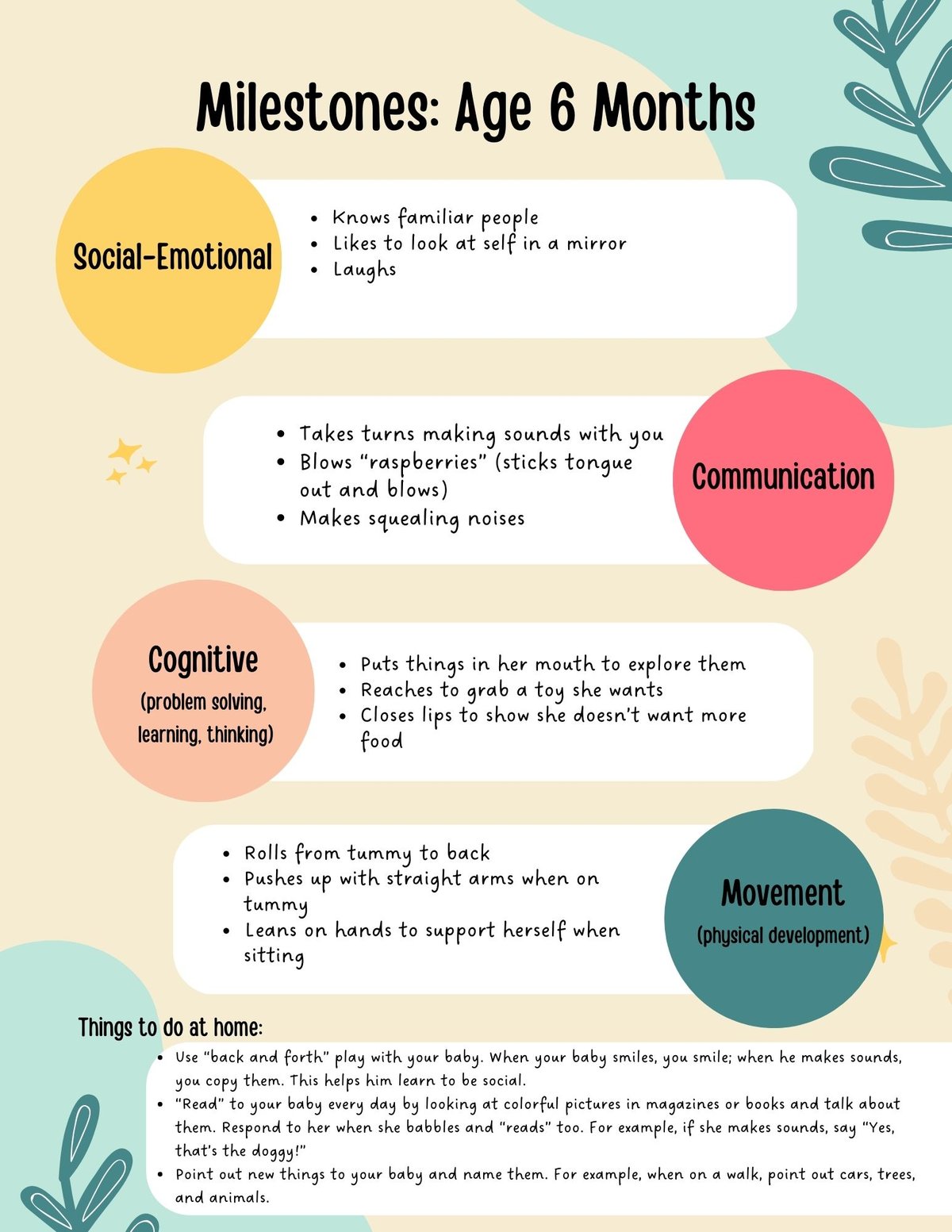
Every child embarks on a unique developmental journey, yet there are predictable guideposts along the way. These "developmental milestones" are skills like taking a first step, smiling for the first time, or waving "bye-bye." The Centers for Disease Control and Prevention (CDC) emphasizes that children from birth to age 5 are expected to reach these milestones in how they play, learn, speak, act, and move.
Understanding these milestones isn't about rushing your child, but rather about having a general roadmap. It helps you identify typical development and, more importantly, recognize potential areas where your child might need extra support. The CDC's "Learn the Signs. Act Early." program offers invaluable, free tools like the Milestone Tracker app and printable checklists to help parents monitor their child's progress from 2 months to 5 years. These resources not only outline expected milestones but also suggest activities to support development, offering tips for when concerns arise.
Keeping an eye on these milestones, and discussing them with your pediatrician at every well-child visit, empowers you to be an active participant in your child's developmental journey.
Tracing Through the Years: Age-Appropriate Activities and Expectations
The beauty of tracing lies in its adaptability. What’s appropriate and beneficial for a two-year-old looks vastly different from a seven-year-old's activity. Setting realistic expectations based on age and developmental stage is crucial to prevent frustration and foster a positive learning experience.
Toddlers (Ages 2-3): The Joy of Early Exploration
At this stage, tracing isn't about perfection; it's about introducing tools and encouraging initial interaction. Toddlers are just beginning to develop the rudimentary control needed to hold a crayon or marker, often with a fisted grip. Their "tracing" might look more like vigorous scribbles, but these seemingly random marks are essential pre-writing practice.
Milestones to Look For:
- Holding a writing tool: May use a palmar (fisted) grip.
- Making purposeful marks: Scribbling back and forth, up and down, or in circles.
- Showing interest in drawing/coloring: Enjoying the act of mark-making.
- Imitating simple strokes: Trying to copy a vertical or horizontal line after seeing an adult draw it.
Recommended Activities: - Large-scale scribbling: Provide big sheets of paper or a whiteboard.
- Sensory tracing: Use fingers to trace in sand, salt, finger paint, or shaving cream. This offers tactile feedback without the pressure of a pencil.
- Thick, easy-grip tools: Jumbo crayons, chalk, washable markers.
- Guided hand-over-hand: Gently guide their hand to feel the motion of a line, but don't force it.
- Following simple paths: Trace over very thick, straight, or slightly wavy lines using their finger or a chunky crayon.
The focus here is on developing early motor control, hand-eye coordination, and a comfortable introduction to writing tools. Celebrating effort, not precision, is paramount.
Preschoolers (Ages 4-6): Building Foundational Skills
As children move into preschool and early elementary, their fine motor control rapidly improves. Their grip on a pencil typically evolves from a fisted hold to a more mature, refined tripod grip (holding the pencil with the thumb, index, and middle fingers). This is the prime time for developing more structured tracing skills that directly lead to handwriting.
Milestones to Look For:
- Improved pencil grip: Moving towards a tripod or quadrupod grip.
- Tracing complex shapes: Can trace squares, triangles, and simple zig-zag lines.
- Tracing letters and numbers: Beginning to trace uppercase letters and simple numbers with increasing accuracy.
- Copying shapes/letters: Can copy some shapes and letters independently.
- Staying within lines: Showing better control when tracing lines and staying within boundaries.
- Drawing simple pictures: Representing objects or people with basic shapes and lines.
Recommended Activities: - Worksheets with guides: Use large-print tracing sheets for letters, numbers, and shapes. Ensure the lines are thick enough to provide a clear target.
- Mazes and dot-to-dots: These activities naturally involve tracing lines and following sequences.
- Tracing their name: A highly motivating activity! Many resources offer customizable sheets for this. A name tracing generator can be incredibly useful here, allowing you to create personalized practice sheets that children adore.
- Various writing tools: Introduce colored pencils, thinner markers, and different types of paper to vary the sensory experience.
- Tracing lightboxes: A fun and engaging way to trace images or letters placed underneath.
- Playdough "tracing": Rolling playdough into "snakes" to form letters or shapes, then tracing over them with a finger.
At this stage, children are actively building the muscle memory and visual discrimination needed for writing. Encourage practice but keep it playful to avoid burnout.
School-Aged Children (Ages 7+): Refining and Mastering Handwriting
For children in elementary school and beyond, tracing continues to be beneficial, though its purpose shifts from initial skill development to refinement and maintenance. At this age, children are expected to write more, faster, and more legibly. Tracing can help reinforce proper letter formation, improve consistency, and even enhance writing speed.
Milestones to Look For:
- Consistent handwriting style: Developing a recognizable, consistent personal handwriting style.
- Fluid and automatic letter formation: Forming letters without significant cognitive effort.
- Tracing intricate designs: Capable of tracing complex curves, loops, and more detailed patterns.
- Writing short sentences legibly: Producing readable sentences with correct spacing and letter formation.
- Maintaining speed and legibility: Able to write for longer periods while keeping their writing neat.
Recommended Activities: - Complex tracing patterns: Introduce mandalas, intricate geometric patterns, or artistic designs to improve precision and control.
- Calligraphy practice: Using special pens to trace calligraphy guides helps refine subtle motor control and introduces a new artistic dimension.
- Tracing for art projects: Tracing designs onto fabric, wood, or for stenciling.
- Speed tracing drills: If handwriting speed is a concern, timed tracing of sentences or paragraphs can help improve efficiency and fluidity.
- Improving individual letter formation: If a child struggles with specific letters, targeted tracing practice on those letters can be effective. Tools like a name tracing generator can also be adapted for full names or common words, offering structured repetition.
- Reviewing letter consistency: Tracing entire sentences or short paragraphs to ensure consistent size and spacing between letters and words.
Even for older children, tracing can be a valuable tool for maintaining fine motor dexterity, especially if they are involved in activities that require precise hand movements, like playing a musical instrument or intricate crafting.
Tracing Beyond Childhood: A Lifelong Skill
It's a common misconception that tracing is only for young children. In reality, its benefits extend to all ages, including older children, teenagers, and even adults. For older students, tracing can be a therapeutic way to improve or maintain handwriting legibility. For those with special needs, tracing provides a structured and repeatable way to develop motor control and visual processing skills. Artists often use tracing as a foundational technique for learning proportions or transferring designs. It’s a versatile activity that engages visual processing, motor planning, and sustained attention, making it effective for learning and skill development across the lifespan.
Cultivating the Right Environment for Tracing Success
Successful tracing isn't just about the activity itself; it's about the ecosystem surrounding it. Creating a supportive and engaging environment can transform a potentially tedious task into an enjoyable learning experience.
For Parents: Setting the Stage at Home
- Designate a "Creative Corner": Having a specific, clutter-free space encourages focus. It doesn't need to be elaborate—a small table or a section of the kitchen counter works perfectly.
- Stock the Right Tools:
- Writing Utensils: Begin with large, soft-tipped crayons or chunky pencils for toddlers and preschoolers. As fine motor skills develop, introduce regular pencils, colored pencils, and fine-tipped markers. Experiment with ergonomic pencil grips if needed.
- Paper Power: Offer a variety—plain white paper, lined paper (wide-ruled then narrower), graph paper, even colored construction paper. Don't underestimate the joy of a fresh pad!
- Alternatives: Playdough, kinetic sand, chalk (for blackboards or pavements), finger paints, and even digital tracing apps provide varied sensory experiences.
- Make it a Routine: Aim for short, consistent tracing sessions, perhaps 10-15 minutes daily. Consistency builds habits and muscle memory. Remember, it's about the process, not just the perfect outcome.
- Engage and Participate: Sit with your child, trace alongside them, or simply offer encouragement. Your presence makes the activity feel valued and enjoyable. "Let's use our name tracing generator together today!" can be a great way to kick things off.
- Celebrate Effort: Praise their concentration and persistence rather than just the final product. "I love how carefully you're trying to stay on the line!" is more impactful than "That's perfect!"
For Educators: Inspiring Learning in the Classroom
- Age and Skill-Appropriate Worksheets: Ensure tracing materials match the developmental level of your students. Differentiated worksheets can cater to various skill levels within the same class.
- Incorporate Digital Tools: Interactive whiteboards and tablet apps offer dynamic tracing opportunities, providing immediate feedback and a fun, modern approach.
- Gamify the Experience: Turn tracing into a game or a friendly competition. Who can trace the longest line without lifting their pencil? Who can complete a tracing maze first?
- Balance Challenge with Fun: Activities should be just challenging enough to promote growth without causing frustration. If a child is struggling, simplify the task or switch to a more sensory-based approach.
- Integrate Tracing into Themes: Connect tracing activities to current classroom themes (e.g., tracing animal shapes during a unit on pets, tracing letters for sight words).
By thoughtfully curating the tracing environment, we empower children to learn and grow at their own pace, transforming a foundational skill into an exciting adventure.
Navigating the Bumps: Addressing Tracing Challenges and When to Seek Expert Help
Even with the best intentions and resources, children might encounter difficulties with tracing. It's important to recognize these challenges and understand when to adjust your approach or when to consult a professional.
Common Tracing Challenges
- Difficulty with Pencil Grip: Some children naturally adopt an awkward grip, which can lead to hand fatigue and poor control. This might look like a fisted grip persisting beyond toddlerhood or hyper-extended fingers.
- Solution: Try large, chunky crayons initially, then transition to shorter pencils that encourage a tripod grip. Ergonomic pencil grips can also be very helpful. Using a stylus on a tablet can sometimes bypass initial grip issues and focus on the tracing motion.
- Lack of Readiness: If a child shows little interest or becomes frustrated quickly, they might not be developmentally ready for formal tracing activities.
- Solution: Don't force it. Revert to pre-writing activities like drawing large circles, zig-zags, or scribbling with big markers or crayons. Focus on gross motor skills that build shoulder and arm strength, which are precursors to fine motor control. Sensory play (sand, playdough, finger paint) is also excellent for building hand strength and dexterity.
- Poor Concentration/Attention Span: Staying focused on a line can be tough for active young minds.
- Solution: Keep sessions short (5-10 minutes) and fun. Incorporate tracing into games. Use highly engaging materials or themes. Take frequent breaks.
When to "Learn the Signs. Act Early.": Consulting a Professional
While some challenges are typical and resolve with practice, others might signal a need for professional guidance. The CDC's "Learn the Signs. Act Early." program emphasizes the importance of early intervention.
You should speak with your pediatrician if you observe any of the following:
- Missed Milestones: If your child consistently misses several developmental milestones, especially those related to fine motor skills (e.g., struggles to hold a crayon meaningfully by age 3, cannot trace basic shapes by age 5).
- Persistent Awkward Grip: A fisted or unusual pencil grip persists beyond age 4-5 and seems to hinder writing attempts.
- Significant Frustration or Avoidance: The child consistently gets very upset, avoids tracing or drawing activities, or shows unusual physical reactions (e.g., excessive hand shaking, extreme tension).
- Noticeable Delay in Pre-Writing Skills: Compared to peers, your child seems significantly behind in their ability to draw lines, shapes, or basic letters.
What to do if you have concerns:
- Talk to Your Pediatrician: This is the crucial first step. Share your specific concerns and observations.
- Ask for Developmental Screening: Your doctor can perform or refer you for a developmental screening to assess your child's skills across different areas.
- Explore Early Intervention:
- For children under 3 years old: Contact your local early intervention program. These programs provide free evaluations and services to support children with developmental delays.
- For children aged 3 and older: Contact your local public elementary school. They can provide evaluations and, if needed, special education services under the Individuals with Disabilities Education Act (IDEA).
Remember, don't wait. Acting early can make a significant, positive difference in a child's development. Trust your instincts as a parent or educator.
Beyond the Pencil: Creative Tracing Activities for Enhanced Engagement
While traditional pencil-and-paper tracing is essential, diversifying the approach can keep children engaged and strengthen fine motor skills in novel ways. These creative alternatives tap into different sensory experiences and make learning even more fun.
- Sensory Tray Tracing: Spread a thin layer of sand, salt, rice, or shaving cream on a tray. Children can use their fingers to trace letters, shapes, or lines. The tactile feedback is incredibly engaging and helps reinforce muscle memory.
- Window or Lightbox Tracing: Tape a piece of paper over an image (or use a name tracing generator sheet) onto a window during the day, or use a dedicated lightbox. Tracing with a pencil or marker allows light to shine through, making the lines stand out clearly.
- Playdough "Trace and Fill": Form letters or shapes with playdough 'snakes'. Then, children can trace around the edges with their fingers or a blunt stick, or even press small beads or dried beans into the outline. This builds hand strength and dexterity.
- Water Writing: On a sunny day, give your child a paintbrush and a bucket of water. They can "write" or "trace" letters and shapes on pavement or a fence, watching as their marks temporarily appear and then vanish. This offers a no-pressure, ephemeral tracing experience.
- Chalkboard or Whiteboard Fun: Using large chalk or whiteboard markers encourages big, sweeping arm movements before refining to smaller wrist movements. Trace over existing lines or simply practice free-form tracing.
- Dot-to-Dot Adventures: These classic activities are essentially pre-designed tracing tasks. Find books with varying levels of complexity, from simple number sequences to intricate images.
- Digital Tracing Apps: Many educational apps offer interactive tracing games for tablets. These can be particularly engaging for tech-savvy kids, often providing immediate visual and auditory feedback.
- Puff Paint or Glue Tracing: Draw letters or shapes with puff paint or liquid glue. Once dry, the raised lines provide a textured surface that children can trace with their fingers, offering a unique sensory experience.
By mixing and matching these activities, you can keep tracing fresh and exciting, ensuring that skill development remains a joyful part of your child's day.
Measuring Growth and Inspiring Effort: Assessment and Feedback
How do you know if your child is making progress, and how do you offer feedback that genuinely encourages rather than discourages? Effective assessment and positive reinforcement are key components of guiding tracing skill development.
Tracking Progress: Beyond the Eye Test
While observational assessment is valuable, standardized tools can offer a more objective view of fine motor skill development.
- Observational Notes: Regularly jot down quick notes: How long can your child concentrate? What is their pencil grip like? Are they staying on the lines more consistently? Do they spontaneously engage in drawing or tracing? Note the accuracy, speed, and control they exhibit.
- Standardized Fine Motor Tests: For more formal assessment, professionals might use tools like the Beery-Buktenica Developmental Test of Visual-Motor Integration (Beery VMI). This test assesses visual-motor integration, which is crucial for handwriting and tracing.
- Digital Tracking Software: Educational platforms like Goalbook or Prodigy, sometimes used in schools, can help track progress in specific motor and academic skills over time, often providing data on accuracy and speed.
- Work Sample Portfolios: Keep a collection of your child's tracing work over several months. Looking back at earlier samples side-by-side with recent ones offers clear, visual evidence of progress. This can be incredibly motivating for both parent and child. If you've been using a name tracing generator since they started, print out some early attempts next to recent ones to show the improvement!
The Art of Meaningful Feedback
Feedback can either build confidence or create self-doubt. The goal is to motivate and guide, focusing on effort and specific actions rather than innate ability or a perfect outcome.
- Praise Effort, Not Just the End Product: Instead of "That's perfect!" try, "I can see how hard you concentrated on staying inside the lines!" or "You put so much effort into making those curves smooth." This teaches resilience and the value of hard work.
- Be Specific and Action-Oriented: General praise can be vague. Instead, offer specific observations: "Remember to keep your pencil close to the paper as you trace," or "I noticed you kept your hand steady when you traced that last letter."
- Focus on One or Two Areas for Improvement: Don't overwhelm your child with a laundry list of corrections. Choose one or two key areas to focus on during a session. "Today, let's really focus on keeping your pencil on the line for the letter 'A'."
- Model and Guide: Sometimes, showing is better than telling. Demonstrate the correct stroke or grip, or use a gentle hand-over-hand guide for a moment.
- Encourage Self-Correction: Ask questions like, "What do you notice about this line?" or "How do you think you could make this letter look more like the example?" This fosters critical thinking and problem-solving.
- Keep it Positive and Encouraging: Tracing should be a positive experience. If frustration mounts, take a break, switch activities, or simply offer a comforting hug. The relationship and their intrinsic motivation are far more important than a perfectly traced line.
By combining thoughtful assessment with constructive, encouraging feedback, you help children build not only tracing skills but also a resilient mindset towards learning and improvement.
Your Partner in Development: Leveraging CDC's "Learn the Signs. Act Early." Resources
As we've explored the nuances of tracing activities and developmental milestones, it's clear that understanding your child's unique journey is paramount. The CDC's "Learn the Signs. Act Early." program stands out as a critical, free resource designed specifically to empower parents and caregivers in this endeavor.
These tools are not just checklists; they are comprehensive guides that provide:
- The Milestone Tracker App (FREE): Available for iOS and Android, this app offers interactive checklists for developmental milestones from 2 months to 5 years. You can track your child's progress, compare it to age-expected milestones, and even get personalized activity suggestions to support development. It also helps you set reminders for well-child visits and developmental screenings.
- Free Printable Resources: The CDC offers downloadable milestone checklists and the "Milestone Moments" booklet. These resources are perfect for those who prefer physical copies for tracking and contain valuable tips and activities to foster development across various age groups.
- Guidance on What to Do Next: Perhaps most importantly, the program provides clear, actionable advice if you have concerns about your child's development. It reinforces the message: "Don't wait; act early." It guides you through the process of talking to your doctor, asking for developmental screening, and connecting with early intervention services if needed.
These resources embody the spirit of proactive parenting. They empower you with knowledge and tools, ensuring that you can confidently support your child's development and seek professional help promptly when necessary. Regular use of the Milestone Tracker app or print resources can help you spot potential delays, engage in conversations with your pediatrician about milestones achieved and those expected, and ensure your child receives the support they need to thrive.
Nurturing Little Hands and Minds: A Lifelong Investment
The journey through Age-Appropriate Tracing Activities & Milestones is more than just a series of exercises; it’s an integral part of nurturing your child's overall development. From the earliest scribbles to the mastery of precise letter formation, each stroke builds a foundation for literacy, critical thinking, and fine motor dexterity.
By understanding the age-specific expectations, providing a supportive environment, and engaging with creative activities, you empower your child to explore, learn, and grow. Remember, the goal is not to produce perfect artists or flawless calligraphers overnight, but to foster confidence, coordination, and a joyful approach to learning.
Stay attentive to your child's unique pace, celebrate their efforts, and never hesitate to leverage trusted resources like the CDC's "Learn the Signs. Act Early." program. Your proactive engagement in these foundational years is a profound investment, laying the groundwork for a lifetime of skilled hands and curious minds.